The deepening energy crisis triggered by the US-Israel war with Iran has thrust energy security back onto the political stage in European countries — and widened fault lines along with it.
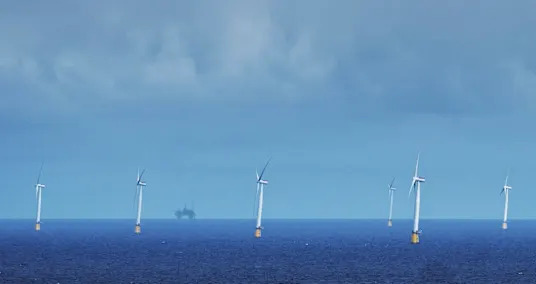
In the UK — which is particularly vulnerable because of its imports of gas, and which suffered hefty price rises following Russia’s 2022 invasion of Ukraine — attention this time has shifted from diversifying supply away from single countries to a broader push to move beyond fossil fuels, said Annabel Rice, a senior political adviser at the Green Alliance, a London-based think tank. Or at least, that’s the takeaway the governing Labour Party seems to have settled on, casting renewables as more insulated to oil price shocks.
France is similarly leaning towards reducing reliance on hydrocarbons. The country’s prime minister has tasked his cabinet with identifying priority actions to electrify the economy. Others in Europe, such as Italy, have so far opted to double down on fossil fuels to cushion the blow from surging electricity bills. The UK’s opposition Conservative Party is pitching a similar idea, launching a “Get Britain Drilling” campaign this week, pressing to reverse the country’s ban on North Sea oil and gas licenses and claiming it would cut bills significantly.





 7 Countries Where Newcomers Feel Most Welcome, and 3 Where They Often Don’t
- Top Breakfast Food: What's Your Morning Enjoyment?
- Avoid This Common Mistake When Planning Sightseeing Activities For Your Trip To Italy
- 'It's doing badly': Fears grow for whale stuck off Germany's coast
- Shrapnel hits across central Israel, injuring several, causing property damage
- Nigeria’s return to Windsor castle signals new era in UK economic partnership
- The most effective method to Pick a Campervan That Offers Something else for Less
- China bans storing cremated remains in empty 'bone ash apartments'
- James Webb Space Telescope's mysterious 'little red dots' may be black holes in disguise